

Conversation with Slavoj Žižek

Zero Point

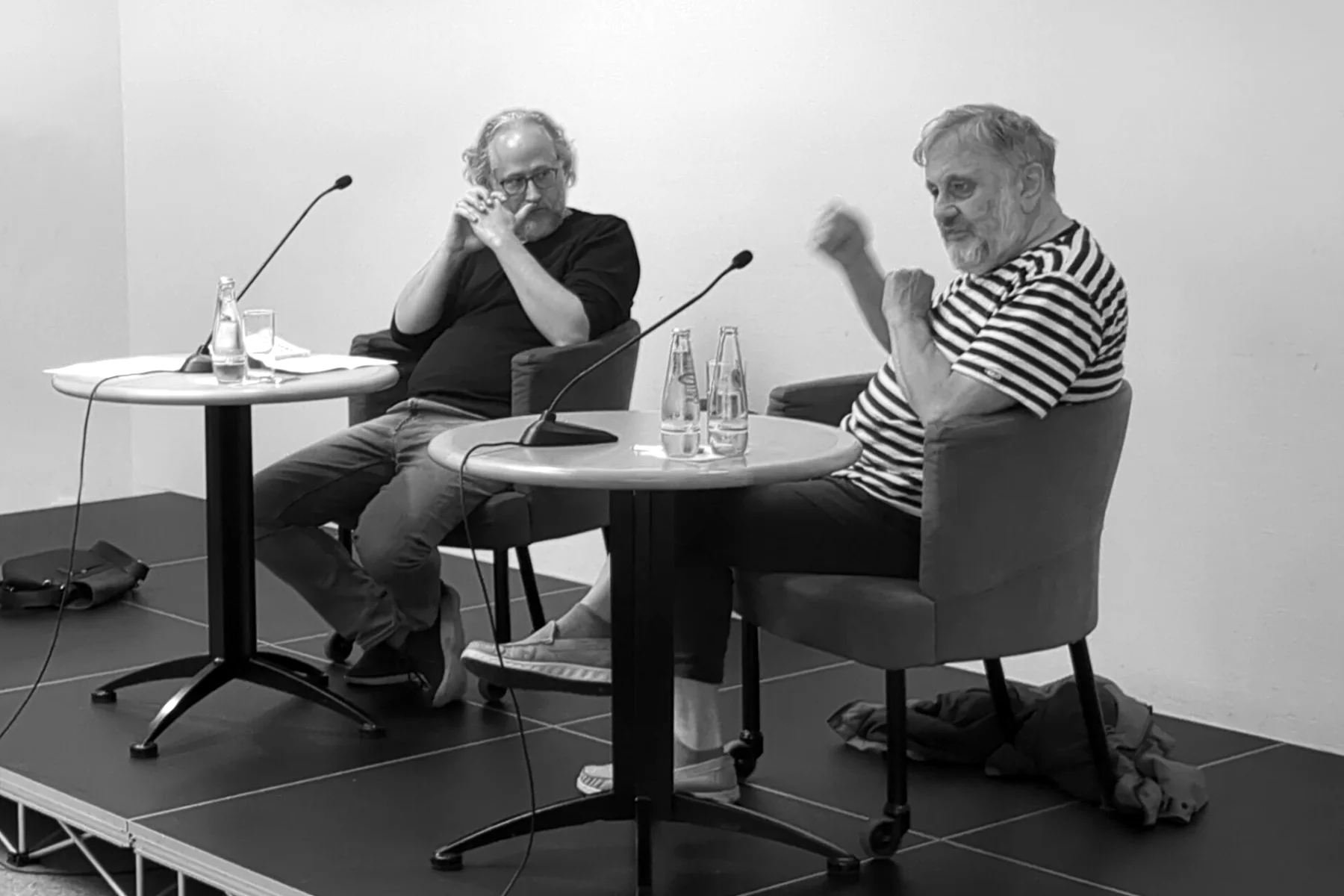
Friday, September 19, 2025, 12:30 pm, Katholische Akademie in Berlin

© Cover: Zero Point, Bloomsbury

Zero Point

Conversation with Slavoj Žižek

Friday, September 19, 2025, 12:30 pm, Katholische Akademie in Berlin

The essays in the philosopher Slavoj Žižek’s new book Zero Point ask how we distinguish defeat from disaster, and how we confront despair without collapsing into it – questions never more pertinent than the current moment in the wake of electoral victories for authoritarian populists and unceasing news of violent atrocities.

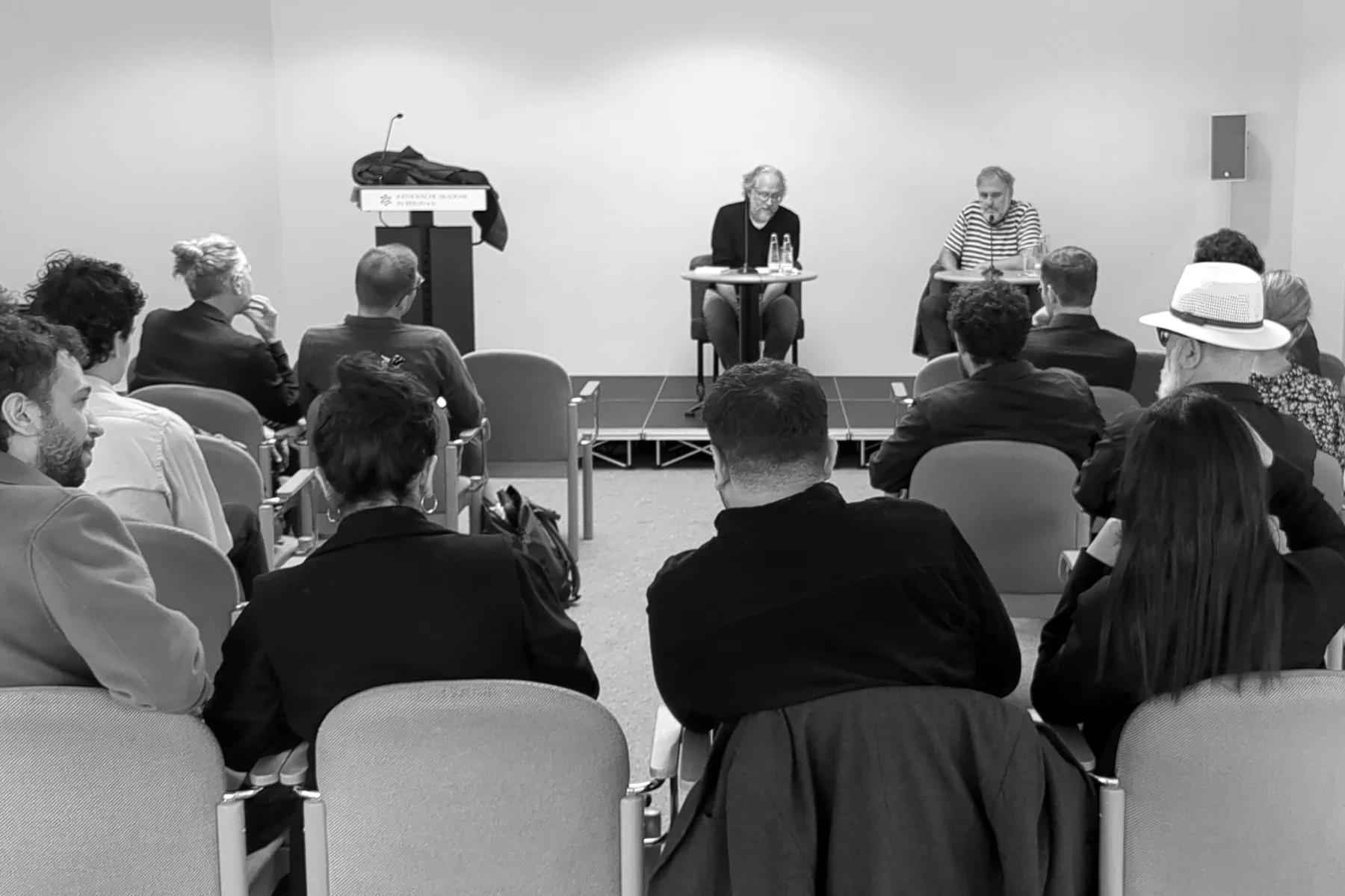
In this conversation, Žižek will discuss these questions with Elad Lapidot, and with a small circle of invited intellectuals who are concerned with the challenges that arise from the events of our present hour.

Organisation

Elad Lapidot (Katholische Akademie in Berlin)
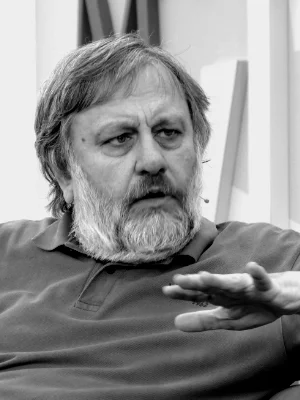
Slavoj Žižek

Slavoj Žižek is a philosopher and cultural critic, internationally renowned for his wide-ranging work on philosophy, psychoanalysis, politics, and contemporary culture. He is a Senior Research Fellow at the Institute of Sociology and Philosophy at the University of Ljubljana, Global Distinguished Professor of German at New York University, and International Director of the Birkbeck Institute for the Humanities, University of London. Žižek has published numerous books, including The Sublime Object of Ideology, Living in the End Times, and Like a Thief in Broad Daylight.
#intellectualdiaspora is an initiative by the Katholische Akademie in Berlin e.V.

www.katholische-akademie-berlin.de

Similar Posts

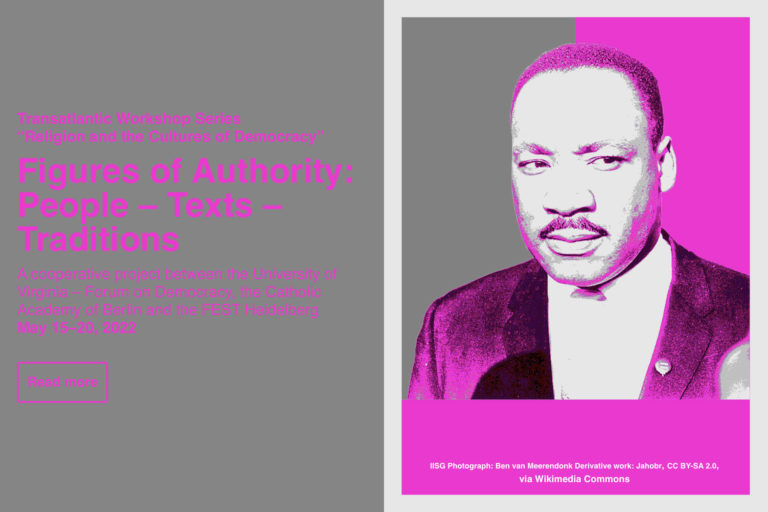
  • Figures of Authority – People – Texts – Traditions

    IISG Photograph: Ben van Meerendonk Derivative work: Jahobr, CC BY-SA 2.0, via Wikimedia Commons Media on Youtube Gerd Koenen: Autorität zwischen Macht und Religion – Ein Blick auf Russland José Casanova: Sources of Papal Authority in Our Global Age Menachem Lorberbaum/Frank Furedi: Liberalism’s Threshold: Authority and the Authoritarian Judith Hahn/Teresa Forcades: Modern Catholic Crisis of Authority/Why Catholics…

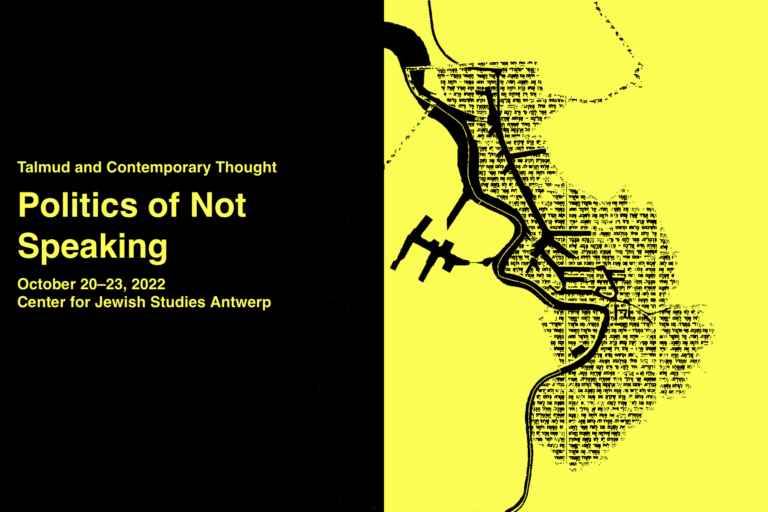
  • Diasporic Knowledge – Talmud and Contemporary Thought II

    Politics of Not Speaking Talmud and Contemporary Thought II The Workshop on Talmud and Contemporary Thought is an annual intellectual encounter, which explores ways of how the Talmudic tradition of text may offer a medium for contemporary thought, in the sense of thought that engages on issues of contemporary social, political and cultural concern.  The workshop revolves…

  • Culture of Difference – Kulturkampf

    Kulturkampf Epochales Ereignis und aktuelle Denkfigur Organisation: Prof. Dr. Daniel WeidnerDr. Stephan Steiner Die Veranstaltung findet statt in Kooperation mit der Universität Halle/Saale. Veranstalter:Universität Halle/SaaleKatholische Akademie in Berlin Veranstaltungsort:Katholische Akademie Berlin, SR 5 (3. OG)Hannoversche Straße 5 10115 Berlin Programm Dienstag, 31. August 2021 15:30 Get togetherBegrüßung der Veranstalter Prof. Dr. Daniel Weidner (Halle/S.) und…

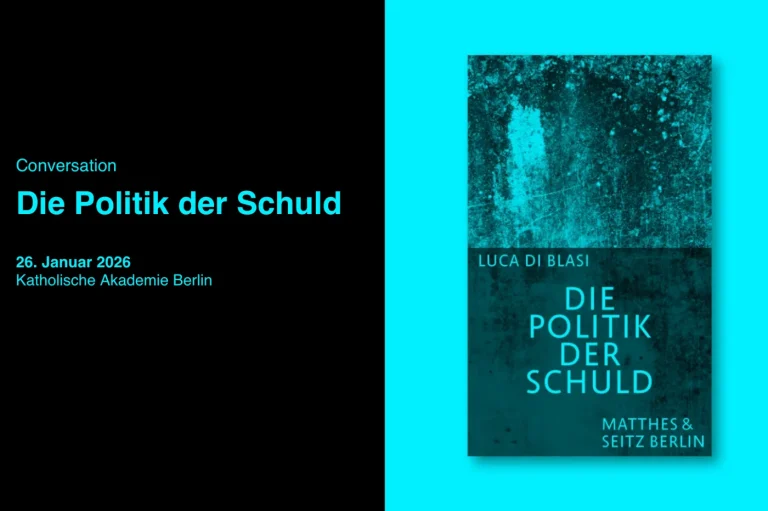
  • Politik der Schuld

    Luca Di Blasi, Politik der Schuld, Matthes & Seitz Berlin Die Politik der Schuld Luca Di Blasi (Bern) spricht mit Per Leo (Berlin) und Elad Lapidot (Berlin/Lille) Montag, 26. Januar 2026, 19–20:30 UhrKatholische Akademie Berlin, SR 5 Spätestens seit dem 7. Oktober 2023 rücken namhafte kritische Intellektuelle von der lange unumstrittenen, ja als vorbildlich erachteten…

  • On Thinking God: A Conversation with Menachem Lorberbaum

    Image from the Book ”Politics and the Limits of Halacha” – Cover designed by Jacques Levy. On Thinking God: A Conversation with Menachem Lorberbaum April 27–28, 2023 We find our republics undergoing tectonic quakes rendering the very fabric of our civil  societies. Social life is premised upon a basic trust and the exploitation of political…

  • Back to the Texts Themselves! Phenomenology and Ressourcement

    Image: Husserl-Archiv Freiburg Back to the Texts Themselves! Phenomenology and Ressourcement November 8–9, 2023  In cooperation with the University of Lille, the University of Frankfurt and the University of Haifa We already know that modernity was not only secular, and that secularization was not the end of religion. Modern secularization in many ways recreated – and some…